Claim Your Free Estimate Today
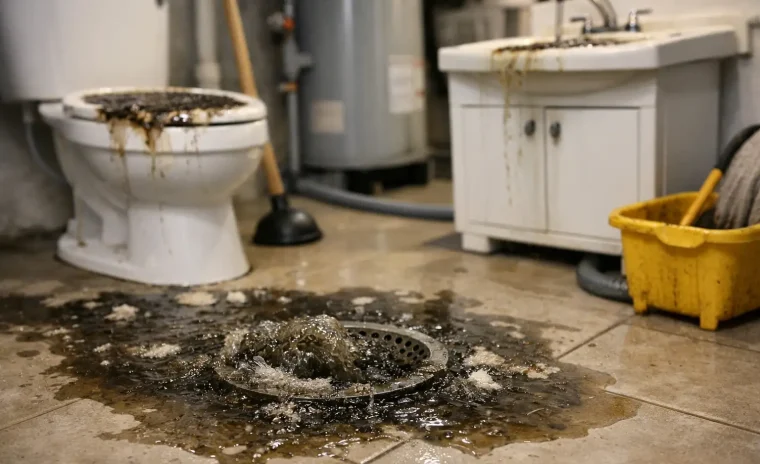
A sewer issue rarely starts with a dramatic flood. More often, the first sewer backup symptoms are easy to dismiss: a toilet that bubbles after a shower, a slow floor drain, or an unpleasant odor near a bathroom. Those signs can point to a developing blockage in the main sewer line. Acting early can help protect your home, business, flooring, fixtures, and indoor air quality from a much more serious problem.
A backup is not just an inconvenience. Wastewater can contain harmful bacteria and can damage porous materials quickly. If sewage is rising from a drain, the right move is to stop using water and get qualified plumbing help. The goal is to identify the real restriction in the line, restore proper flow, and recommend a repair that helps prevent repeat failures.
Sewer Backup Symptoms That Need Fast Action
The clearest warning sign is wastewater coming up through a low drain. In many homes, that is a shower, tub, floor drain, or ground-level toilet. When the main sewer line cannot move wastewater toward the municipal sewer or septic system, it seeks the lowest available exit point inside the property.
You may also hear gurgling from toilets or drains when another fixture is used. For example, flushing a toilet may cause the nearby bathtub drain to bubble. Running the washing machine may make a toilet gurgle. These fixtures may be connected to the same main line, and the trapped air is a sign that wastewater is struggling to move past a blockage.
Slow drainage throughout the property deserves attention as well. A single slow bathroom sink may be a local clog. But when multiple drains are slow at the same time, especially toilets, tubs, showers, and floor drains, the problem is more likely in the main sewer line.
Watch for these additional signs:
- A sewage or rotten-egg odor near drains, cleanouts, crawlspaces, or the yard
- Water pooling around a floor drain or at the base of a toilet
- A toilet that will not flush normally or rises unusually high before draining
- Dark, dirty water appearing in a tub, shower, or utility sink
- Wet, unusually green, or sunken patches of landscaping near the sewer route
- Repeated drain clogs that return shortly after plunging or snaking
Any one symptom may have more than one cause. Several symptoms happening together are a strong reason to schedule a sewer inspection before the line closes completely.
Why Sewer Backups Happen
Main sewer lines fail for different reasons, and the correct repair depends on what is actually inside and around the pipe. That is why clearing a clog is not always the end of the job. A drain can flow again temporarily while the underlying condition remains.
In older Tucson-area properties, root intrusion is a frequent cause. Tree and shrub roots naturally seek moisture. If a sewer pipe has a loose joint, crack, or small opening, roots can grow into the line and create a web that catches paper, grease, and debris. A cable may cut through enough roots to restore flow, but roots can return unless the damaged area is properly addressed.
Grease buildup is another common issue, particularly in busy households and commercial kitchens. Grease may go down warm and liquid, then cool and cling to the pipe walls farther down the line. Over time, it narrows the pipe until normal toilet paper and waste begin catching in the restriction. Wipes, paper towels, feminine hygiene products, dental floss, and so-called flushable wipes can make the blockage worse.
Pipe condition matters, too. Aging clay, cast iron, and Orangeburg sewer lines can crack, offset, corrode, sag, or collapse. A section with a belly can hold water and waste rather than carrying it away with proper slope. Ground movement, poor past repairs, and heavy vehicle traffic over a buried line can also damage a sewer pipe.
Sometimes the source is beyond the property line. A municipal sewer issue may affect nearby homes or businesses at the same time. Even then, it is useful to have the property-side line professionally assessed so you can document what is happening and determine where responsibility begins.
A Local Clog or a Main Sewer Problem?
Knowing the difference can help you respond appropriately. If only one sink, shower, or toilet is draining poorly while every other fixture works normally, the blockage may be limited to that branch drain. That still deserves proper service if it keeps returning, but it is not automatically a main sewer backup.
A main-line problem usually affects more than one fixture. The pattern often becomes obvious when water is used in one area and reacts somewhere else. A washing machine discharge that backs up into a shower, for instance, is a common main-line warning sign because the washer releases a large volume of water quickly.
For commercial properties, the stakes can be higher. A floor drain backup in a restroom, break room, kitchen, or service area can interrupt operations, create sanitation concerns, and put staff and customers at risk. Facility managers should treat recurring drainage issues as a maintenance priority, not just a call for a quick drain clearing.
What to Do When You See a Backup
If wastewater is actively backing up, stop using plumbing fixtures immediately. Do not flush toilets, run the dishwasher, take a shower, or start a load of laundry. Every gallon sent into the drainage system can add to the overflow.
Keep people and pets away from contaminated water. If water is near electrical outlets, appliances, or electrical panels, avoid the area and address the safety risk first. Do not attempt to clean significant sewage contamination without proper protective equipment and a plan for safe disinfection and material removal.
Avoid chemical drain cleaners. They rarely solve a main sewer blockage and can create hazards for anyone working on the line afterward. They may also damage certain pipes or seals. A plunger can sometimes help with a minor local toilet clog, but it will not remove roots, grease buildup, pipe damage, or a blockage farther down the main line.
If it is safe to do so, note which fixtures were used and where the backup appeared. This information helps the plumber understand the drainage pattern when diagnosing the issue. You can also check whether neighboring properties appear affected, but do not delay service while trying to determine the exact cause.
The Right Diagnosis Prevents Repeat Backups
A dependable sewer repair starts with understanding why the line stopped flowing. Professional drain equipment can clear many obstructions, but a camera inspection provides the detail needed to see roots, breaks, offsets, buildup, standing water, and other pipe conditions.
For heavy grease, sludge, or root-related buildup, hydro jetting may be an effective way to clean the interior of an appropriate pipe. It uses controlled high-pressure water to remove accumulated material and restore flow more thoroughly than a basic cable in many situations. It is not the right answer for every damaged or fragile line, which is why evaluating pipe condition comes first.
When the camera shows cracks, separated joints, or deteriorated sections, you should receive clear options. Depending on the damage, the solution may involve targeted repair, replacement, or trenchless sewer lining. Trenchless lining can rehabilitate certain existing pipes with less excavation, but it depends on the pipe’s condition, layout, and accessibility. A collapsed line or severe misalignment may require a different repair approach.
At Acclaimed Drain And Plumbing Solutions LLC, the focus is on identifying the root cause rather than treating the immediate symptom and leaving the underlying problem in place. You should know what the inspection found, what repair options make sense, and what each option is designed to solve before work begins.
How to Reduce the Risk of Another Sewer Backup
No maintenance plan can prevent every sewer problem, especially when aging pipes or root intrusion are involved. Still, a few habits can reduce avoidable blockages. Keep grease, oils, coffee grounds, and food scraps out of kitchen drains. Put wipes, paper towels, hygiene products, and dental floss in the trash, even if the packaging says flushable.
If your property has mature trees near the sewer route, has an older sewer line, or has experienced a previous backup, preventive camera inspections and cleaning can be worthwhile. The right schedule depends on the condition of the line, the history of clogs, and how heavily the property is used. A restaurant or multi-unit building may need more frequent attention than a low-occupancy home.
Sewer backup symptoms are your plumbing system’s warning that flow is no longer normal. A prompt inspection can turn an uncertain, messy situation into a clear repair plan and help keep wastewater where it belongs: inside the sewer line, not inside your property.